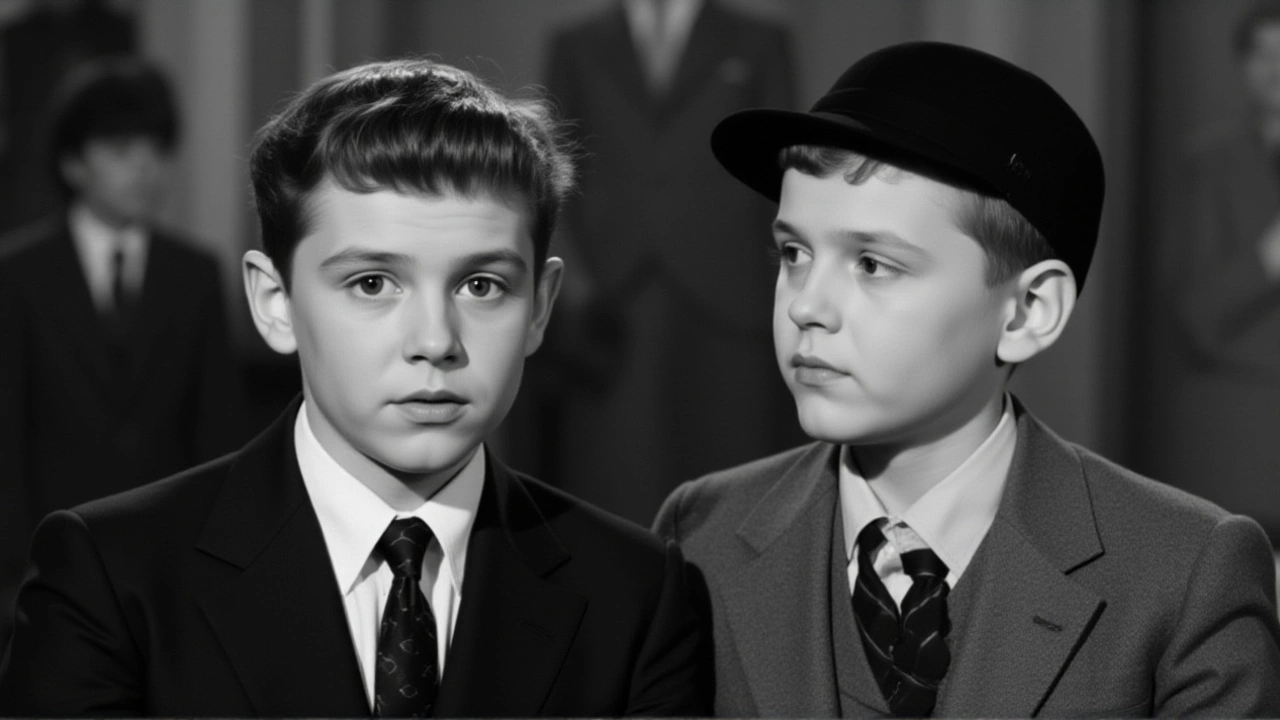
John Eimen, the freckle-faced child actor who brought wholesome charm to 1950s and 60s television as a regular on Leave It to Beaver and The Twilight Zone, passed away on November 22, 2025, at his home in Mukilteo, Washington. He was 76. His family confirmed to The Hollywood Reporter that his death followed a prostate cancer diagnosis just two months earlier — a quiet end to a life that once shimmered under studio lights.
A Childhood in Front of the Camera
Born October 2, 1949, in Chicago, Illinois, Eimen’s path to stardom began not in an audition room, but in a Los Angeles-area elementary school classroom. A talent scout spotted him — red hair, freckles, that unmistakable boy-next-door look — and offered him a job on the spot. By age five, he was appearing in background roles. Within a year, he was speaking lines on Ozzie and Harriet and Lassie.
His big break came in 1959, when he starred in a national ad campaign for the Carnation Company. With a glass of milk in hand and a white mustache clinging to his upper lip, he became one of the first children ever to sport the now-iconic milk mustache — a moment he later called "the earliest (that I know of) model with a milk mustache." It wasn’t just an ad. It was cultural.
Behind the Scenes of Television’s Golden Age
Eimen didn’t just appear on shows — he became part of their DNA. He played the nervous kid in The Twilight Zone’s "The Monsters Are Due on Maple Street," the classmate in Leave It to Beaver’s "Beaver’s Little Brother," and even shared scenes with Frank Sinatra on McKeever and the Colonel. He was in over 50 TV episodes before he turned 16.
But his most promising role slipped away. In the mid-1960s, he was cast as Jane Wyman’s son in Dr. Kate, a planned Desilu Productions series that could have launched him into adult stardom. Then, Wyman pulled out — citing scheduling conflicts. "It seemed that a big break had come my way," Eimen later told Parade. "However, she backed out of the deal." The show was scrapped. No pilot was ever filmed.
That moment, he said, changed everything. "I realized I wasn’t just an actor. I was a product. And products get replaced."
Life After the Spotlight
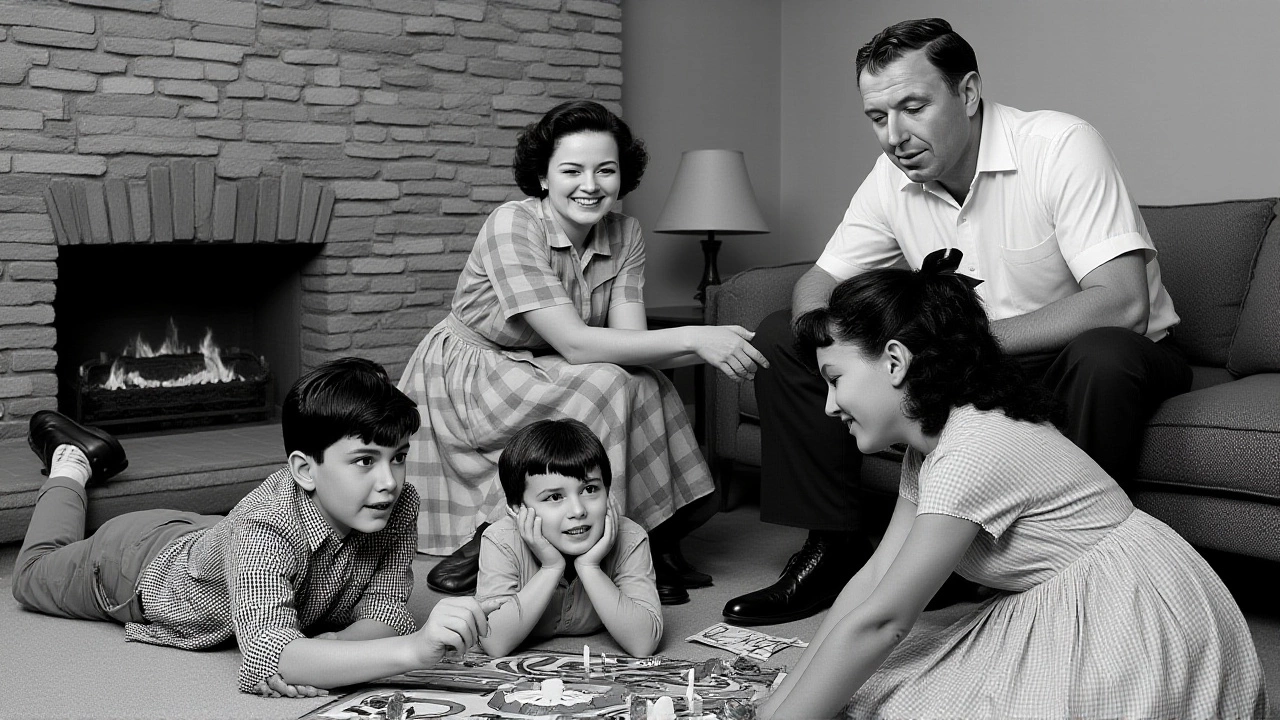
By 17, Eimen walked away from Hollywood. He didn’t disappear — he transformed. He studied music composition in college. He moved to Japan, where he taught English for nearly a decade, immersing himself in a culture far removed from the soundstages of Culver City. Later, he worked in the airline industry, eventually settling into family life in the Pacific Northwest.
Yet he never hated his past. In interviews, he spoke warmly of the sets where he grew up — especially Leave It to Beaver, where he recalled producers treating child actors like family. "No one yelled. No one pushed. It was just… nice," he said. He never resented the roles that typecast him as the innocent kid. He saw them as gifts.
A Legacy Etched in Syndication
His death, while private, has sparked a quiet wave of remembrance. Fans of classic TV have taken to social media, posting clips of his episodes — the wide-eyed boy in the striped sweater, the quiet kid who stood out even among the stars. Former co-stars from Leave It to Beaver have spoken of him fondly in past reunions, as documented by Parade, calling him "one of the most genuine kids on set."
He lived long enough to see his work preserved — not as nostalgia, but as history. Leave It to Beaver remains a touchstone for American family sitcoms. The Twilight Zone is studied in film schools. And his face? Still recognizable.

What Comes Next?
No memorial service has been announced. No estate details have been made public. His family has asked for privacy, though they’ve expressed gratitude for the outpouring of love from fans who still remember his name.
What endures is the image: a boy with freckles, holding a glass of milk, smiling at a world that didn’t yet know how fleeting fame could be. Eimen didn’t chase stardom beyond childhood. He lived it — and then chose something quieter, deeper.
Frequently Asked Questions
What was John Eimen’s most memorable role?
While Eimen appeared in dozens of shows, his most enduring role was as a recurring child actor on Leave It to Beaver, where he played Beaver Cleaver’s classmates in multiple episodes. He also gained national recognition for his 1959 Carnation milk mustache ad, which became one of the earliest and most iconic uses of a child in American advertising.
Why didn’t John Eimen become a bigger star as an adult?
The collapse of the Desilu Productions series Dr. Kate — after Jane Wyman withdrew — was a major turning point. Eimen later said he realized child actors were often seen as temporary assets. He chose not to fight the industry’s shifting expectations, instead pursuing teaching, music, and a private life in Washington and Japan.
How did John Eimen feel about his childhood fame?
Unlike many child stars, Eimen spoke positively about his early career. He praised the supportive environments on sets like Leave It to Beaver and never resented being typecast. He viewed his roles as a privilege, not a burden, and often reflected on how lucky he was to have grown up in a time when TV production felt more personal.
What organizations were central to John Eimen’s career?
Eimen’s career was shaped by Carnation Company (for the milk ad), Desilu Productions (which planned Dr. Kate), and CBS (which aired Leave It to Beaver and The Twilight Zone). These entities defined the landscape of his early fame.
Where did John Eimen live during his life?
Born in Chicago, Illinois, Eimen moved to the Los Angeles area as a child to pursue acting. After retiring from Hollywood, he lived in Japan for years while teaching English, then settled in Mukilteo, Washington, where he spent his final decades quietly raising a family.
Is there any public information about his death or funeral?
No funeral or memorial service has been announced. His family confirmed his death to The Hollywood Reporter and USA TODAY, citing prostate cancer as the cause. They have requested privacy and have not disclosed details about his estate or final arrangements.